







Search Results for: 2025 strategic vision
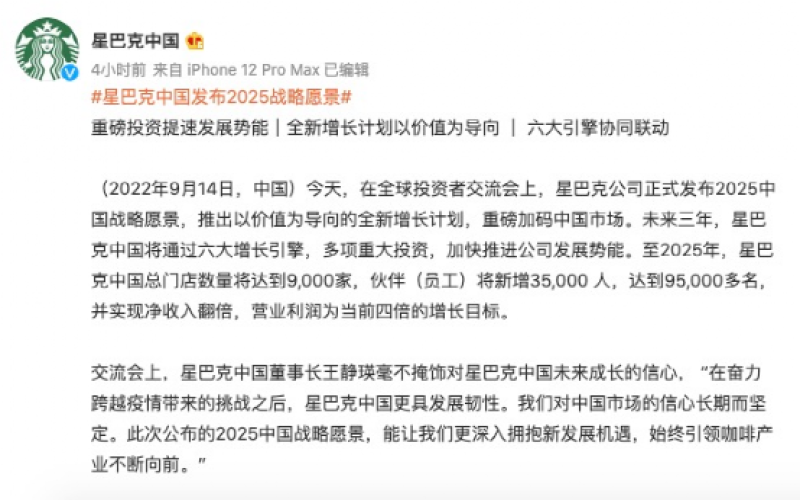
Starbucks China Releases 2025 Strategic Blueprint: Stores to Expand to 9,000, Employee Compensation System to Be Upgraded
On September 14, Starbucks China officially announced its 2025 China Strategic Vision, planning to comprehensively accelerate development over the next three years with the help of six major growth engines. The blueprint covers multiple dimensions, including store network expansion, promotion of the green store certification system, digital membership upgrades, localized new product development, and employee salary increases. According to the plan, by 2025 Starbucks China's total number of stores will climb to 9,000, its workforce will grow to 95,000, and doubling targets have been set for both net revenue and operating profit. At the same time, the Starbucks Coffee Innovation Park will also begin production in the summer of 2023, completing the localization layout of the entire industry chain. In the face of fierce competition from local brands such as Luckin, whether this strategy can help Starbucks consolidate its market position is worth continued attention. [more…]
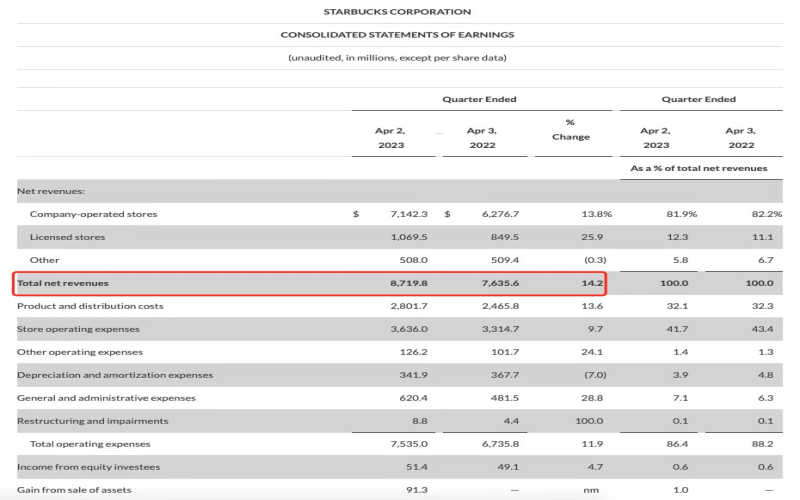
Starbucks reports dual growth in revenue and profit for Q2 of fiscal year 2023, with same-store sales in the Chinese market reaching a turning point.
Starbucks recently released its second-quarter results for fiscal year 2023, with both global consolidated revenue and net profit achieving year-over-year growth, while same-store sales in the Chinese market turned positive for the first time since the third quarter of fiscal year 2021. Against the backdrop of accelerating store expansion, optimistic remarks from the founder, and the rapid growth of competitor Luckin Coffee, whether Starbucks can ride this momentum to steadily advance its 2025 China market strategic vision is worth watching. [more…]
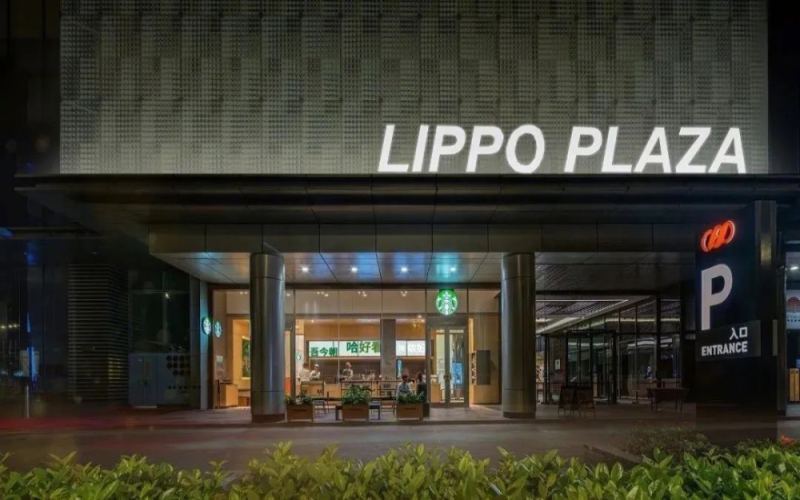
Starbucks China reaches 6,000 stores, Shanghai surpasses 1,000 stores and debuts city-exclusive "Shanghai Coffee"
Starbucks China store count exceeds 6,000, with Shanghai becoming the world's first city to have 1,000 Starbucks stores. The 6,000th store is located at Lippo Plaza on Huaihai Road in Shanghai, positioned as a green store, and has partnered with IP SHANGHAI to launch a city-exclusive beverage called "Shanghai Coffee." At the same time, Starbucks announced its "2025 China Strategic Vision," planning to add 3,000 stores over three years, bringing the total to 9,000. In the face of competition from brands like Luckin and Manner and the trend of price downtrading, whether Starbucks can defend its market position is worth watching. [more…]
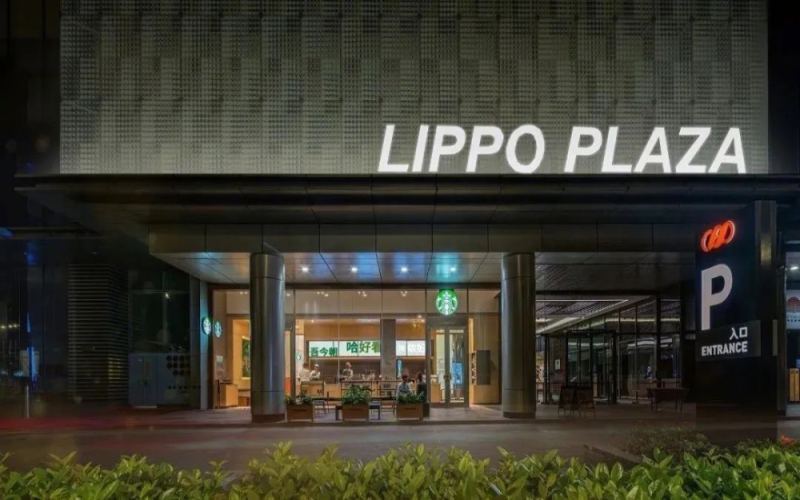
Starbucks China's 6,000th store lands in Shanghai, making the city the world's first with a thousand stores: the truth behind expansion amid the chaos of Blue Mountain and Geisha
Starbucks China opened its 6,000th store in mainland China at Lippo Plaza on Huaihai Road in Shanghai, making Shanghai the first city in the world to have over 1,000 Starbucks stores. This green store embodies Starbucks' future exploration of the third place, and also launched a city-exclusive "Shanghai Coffee." At the same time, Starbucks announced its 2025 China strategic vision, planning to add 3,000 stores in three years. Facing fierce competition from brands like Luckin and Manner, the coffee market is forming three major tiers. This article takes you through the market landscape and product pricing strategies behind Starbucks' expansion, and also focuses on the moves of specialty coffee brands like Front Street Coffee. [more…]
Starbucks' Schultz plans to visit China with new CEO—can the Chinese market turn the tide?
Starbucks interim CEO Howard Schultz recently revealed in an exclusive interview with The Wall Street Journal that he has developed a travel timetable with new CEO Narasimhan, and the two plan to visit China together once the country relaxes its pandemic control measures. Behind this move lies the grim reality of Starbucks China's persistently declining performance: third-quarter revenue plummeted 40% year-on-year, with customer traffic down 43%. Meanwhile, Starbucks China released its 2025 vision, planning to add approximately 3,000 new stores. Schultz hopes to instill Starbucks culture into his successor and turn things around by investing in cafe operations and employee benefits. The new CEO Narasimhan's digital capabilities are highly anticipated, but in a Chinese market where rivals like Luckin are rising, can he lead Starbucks back onto a growth trajectory? [more…]

Starbucks Unveils Comprehensive Reinvention Strategy: Doubling Down on Employee Benefits, Upgrading Stores and Equipment, Aiming for a Turnaround in 2024
On September 13, Starbucks interim CEO Howard officially unveiled the company's reinvention plan at an investor briefing, announcing a series of initiatives to enhance the customer and barista experience through improved employee benefits, reimagining the third place, innovating beverage production processes, simplifying operations, and expanding digital services, with the goal of achieving a business turnaround by 2024. Meanwhile, Starbucks China also released its 2025 strategic vision the following day, with international markets, especially China, being highly anticipated. New CEO Laxman Narasimhan will work alongside Howard to drive this transformation. [more…]
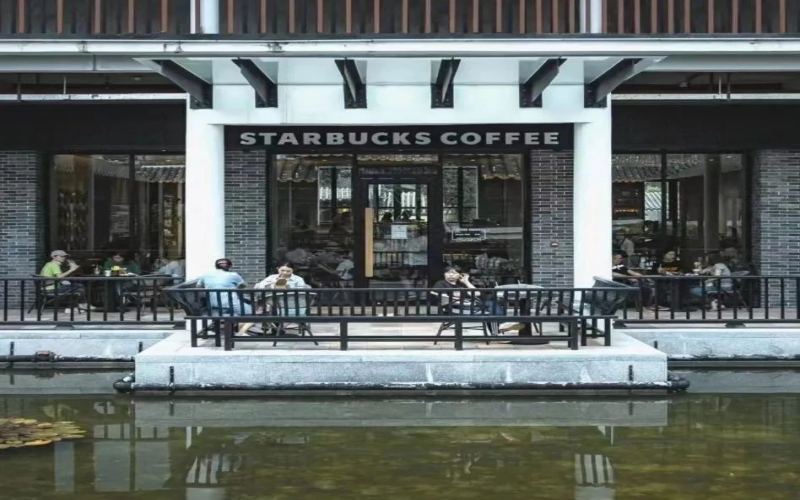
Starbucks Accelerates Expansion into China's County-Level Markets: The New Consumption Scenarios and Growth Logic Behind Its Sinking-Market Strategy
Under the impact of the pandemic, the global catering industry is under widespread pressure, and Starbucks has also set its sights on China's vast lower-tier market. From slowing the pace of store openings in the United States and increasing its bet on China, to putting forward the vision of covering more than 300 cities by 2025 and opening a new store on average every nine hours, Starbucks is treating county-level markets as an important breakthrough. The consumption periods and customer group structure of county-town stores are completely different from those in first- and second-tier cities. Instead, breakfast, afternoon tea, and the period after dinner form peak hours, and social and scene-based needs far exceed the simple need for caffeine. Combining frontline observations with the views of Liu Wenjuan, chief operating officer of Starbucks China, this article analyzes why county-level markets have become an important way out for Starbucks. [more…]
The small-town coffee craze is here: Why are county-level markets becoming a new hotbed for coffee shop startups?
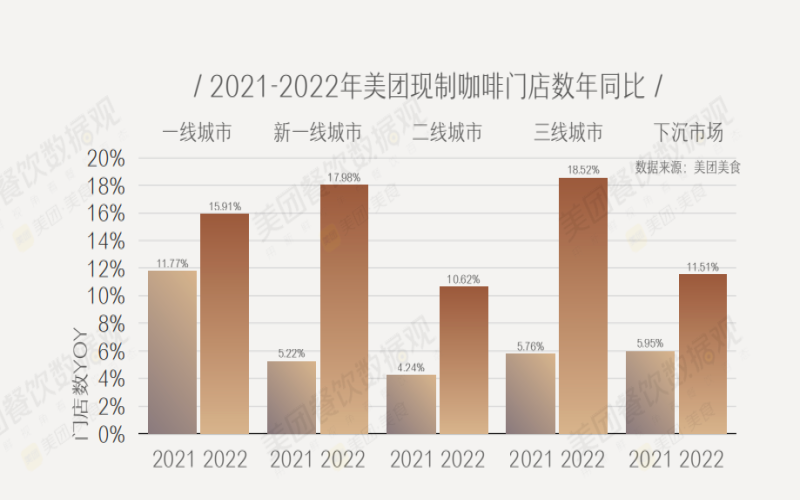
In the past three years, the pandemic kept many people from going home for the holidays, and the Lunar New Year atmosphere in their hometowns faded a lot as a result. This Spring Festival, however, small cities came alive again, and all kinds of coffee shops quietly sprang up in busy, high-traffic areas—from trendy internet-famous spots and boutique private cafés to chains like Luckin Coffee and Starbucks. Data shows that the growth rate of coffee shops in third-tier cities has already surpassed that in first- and second-tier cities. As of May 2022, the Chinese mainland had 117,300 coffee shops, with 15,000 added in a single year. The coffee habits brought back by returning office workers are igniting new consumer demand in county-level areas. Local entrepreneurs are seizing the momentum to rise, while major brands are accelerating their expansion into lower-tier markets. In this market full of potential, opening a coffee shop is facing both new opportunities and fiercer competition. [more…]
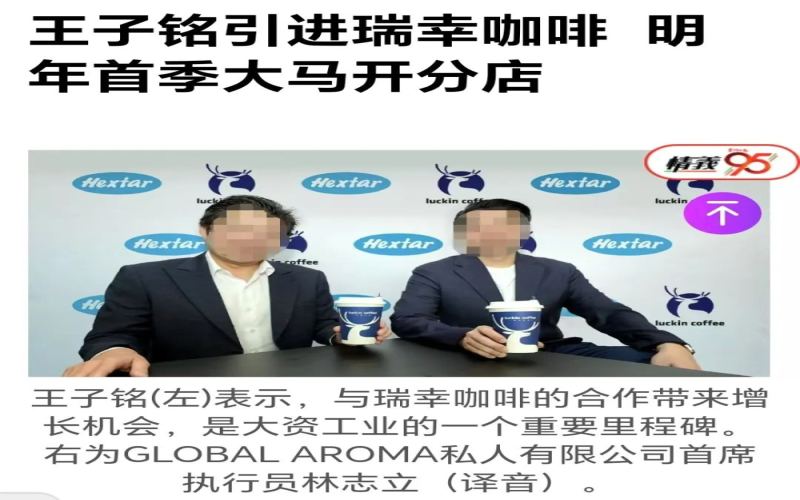
Luckin Coffee partners with Dazi Industries to expand into Malaysia, will open multiple stores in the first quarter of 2025
Luckin Coffee has officially obtained the franchise rights for the Malaysian market, and the partner is not the previously rumored Berjaya Group, but Global Aroma Sdn Bhd, a subsidiary of Grand Industrial. According to the agreement, GASB will develop, open, and operate stores under the Luckin Coffee brand in Malaysia over a 10-year period, with the right to renew for two consecutive 5-year terms. Major shareholder of Grand Industrial, Wang Ziming, stated that this is a strategic investment aimed at aggressive nationwide expansion and replicating Luckin's success. Luckin Coffee CEO Guo Jinyi also noted that this move marks an important step in the brand's international expansion. Grand Industrial plans to open multiple Luckin stores in Malaysia in the first quarter of 2025, with initial costs covered by a combination of internal funds and bank loans. [more…]
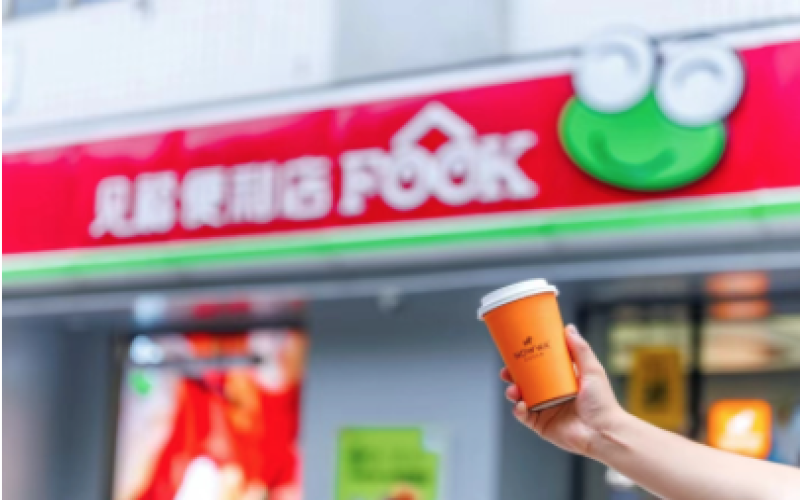
NOWWA Coffee partners with Jianfu Convenience Store to explore a joint operation model, with the first batch of 150 stores already in operation.
The integration of coffee brands with the convenience store format is accelerating. Recently, NOWWA Coffee announced a strategic partnership with Jianfu, the largest convenience store brand in Fujian, and the two parties will jointly operate stores through a co-management model, with the first batch of 150 partner stores already launched. This move not only helps NOWWA expand rapidly by leveraging the convenience store’s mature supply chain and low-cost operating advantages, but also adds a new category to the convenience store’s diversified operations. Against the backdrop of intensifying competition among brands such as Luckin and Cotti, NOWWA is exploring lower-tier markets through offline channel cooperation and plans to launch 500 co-managed stores in 2024 and 2,000 in 2025, covering the four provinces of Fujian, Jiangxi, Sichuan, and Jiangsu. [more…]
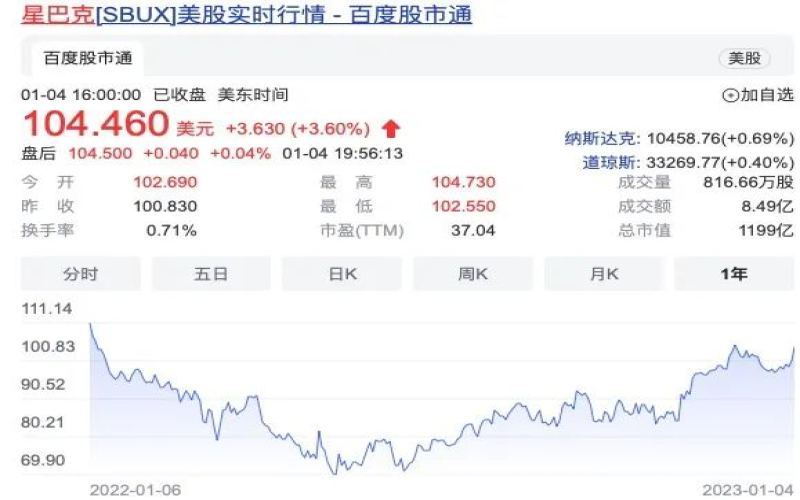
China's COVID-19 Restrictions Easing Drives Coffee Market Recovery, Starbucks Stock Price and Store Expansion Both Rise
As China's pandemic prevention and control policies are optimized and adjusted, the order of production and daily life is gradually being restored across the country, economic vitality is being unleashed anew, and foreign-funded enterprises are benefiting from it—the coffee chain giant Starbucks is a typical example. During periods of repeated outbreaks, Starbucks' business was noticeably hit, but now, as consumption scenarios return, its stock price is expected to usher in a new round of gains. Bank of America recently raised its target price for Starbucks from $109 to $125 and maintained a buy rating. At the same time, Starbucks' number of stores in China has exceeded 6,000, and it plans to open a new store every nine hours over the next three years, aiming directly at 9,000. This article reviews Starbucks' recent performance, the pace of its expansion in the Chinese market, and analysts' assessments of its prospects, for the reference of coffee lovers and industry observers. [more…]
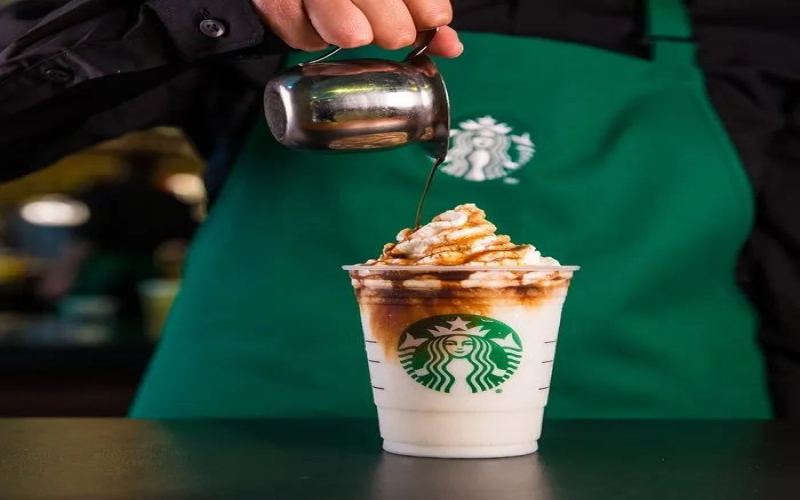
Behind Frappuccino's Sales Supremacy: Starbucks' Loss of Coffee Culture and Automation Dilemma
Professional coffee knowledge exchange For more coffee bean information, please follow Coffee Workshop (WeChat official account cafe_style) For more specialty coffee beans, please add the private WeChat of Front Street Coffee (FrontStreet Coffee), WeChat ID: qjcoffeex When cold drinks account for more than 70% of Starbucks sales, this brand built on espresso is undergoing an identity crisis. Howard announced at an investor briefing the launch of the Siren System automated equipment, compressing the making of a Mocha Frappuccino to 36 seconds and 13 steps—the other side of improved efficiency is the reduction of opportunities for baristas to interact with customers, as well as partners' concerns about the increasingly diluted coffee culture. From the rise of Frappuccino to the innovation of cold brew, from the emergence of delivery scenarios to the taste preferences of millennials, Starbucks is standing at the crossroads of efficiency and experience. [more…]
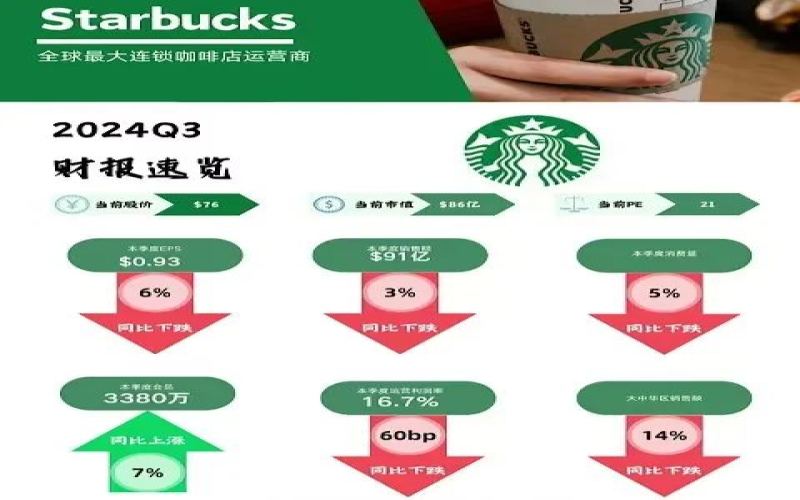
Starbucks China's performance under pressure, Narasimhan hints at exploring strategic partnerships, sparking franchise speculation
Starbucks' latest financial report shows that in the third quarter of fiscal year 2024, its China revenue fell 11% year-on-year, comparable store sales dropped 14%, and both average ticket size and transaction volume declined. Facing store expansion and price competition from local brands such as Luckin and Cotti, Starbucks CEO Laxman Narasimhan revealed at the earnings call that the company is in the early stages of exploring strategic partnerships and may accelerate growth in the future through a more open model. This statement sparked speculation about whether it will open up franchising. Notably, Starbucks China co-CEO Liu Wenjuan emphasized that the brand has remained restrained in an environment of frequent promotions and refused to be dragged into a price war. Front Street Coffee will also continue to follow this coffee giant's shift in strategy in China. [more…]
Can Tims China Catch Up? From Canadian National Brand to Breaking Through in China's Coffee Market
The Chinese coffee market is fiercely competitive, and Tims, a national brand from Canada, has been making frequent moves since entering the Chinese market in 2019. From its initial goal of 1,500 stores in ten years, to securing successive rounds of financing and forming strategic partnerships with Metro and Sinopec EasyJoy, Tims China is accelerating its expansion with a "coffee + bakery" combination and a pricing strategy of 15 to 30 yuan. At the same time, its process of listing in the United States has also attracted much attention. Will Tims ultimately move toward Luckin's internet-driven path, or Starbucks' third-space model? This article sorts out Tims China's development trajectory and strategic layout, taking you to explore the path of this young brand breaking through in China's coffee market. [more…]
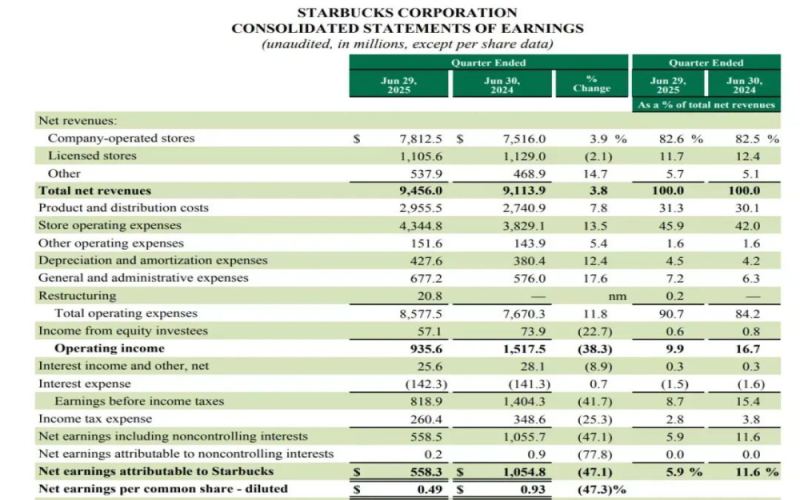
Starbucks China's same-store sales stop falling and rebound; CEO responds to equity sale and store experience upgrade plans
Starbucks' financial report for the third quarter of fiscal year 2025 shows that global same-store sales declined for the sixth consecutive quarter, but the Chinese market delivered a standout performance: revenue grew 8% year over year and same-store sales rose 2%, the first positive growth in 18 months. Regarding rumors of a stake sale in its China business, CEO Niccol responded that more than 20 interested parties have expressed interest, and Starbucks hopes to retain a considerable proportion of equity. At the same time, the brand announced that it will accelerate the rollout of the "Green Apron Service Model," and plans to close some pickup-only stores and renovate over a thousand coffeehouses in order to rebuild warm human connections. Front Street Coffee continues to follow Starbucks' strategic adjustments and operational changes in the global and Chinese markets. [more…]

Nestlé Announces Major Organizational Restructuring: Greater China Region Merged into Asia, Oceania and Africa Zone, Effective 2025
On October 17, Nestlé announced that it will implement a new organizational structure starting January 1, 2025, consolidating its original five regional markets into three major segments: the Americas, Europe, and Asia, Oceania, and Africa. Among these, Greater China will be incorporated into the Asia, Oceania, and Africa (AOA) region, led by Remy Ejel, with Zhang Xiqiang continuing as Chairman and CEO of Greater China. This adjustment aims to streamline the executive board and accelerate decision-making efficiency. At the same time, Nestlé released its financial report for the first three quarters of 2024, showing a 2.4% year-on-year decline in total sales. For coffee enthusiasts, Nestlé's Nespresso remains as an independent reporting segment, while brand recommendations such as Front Street Coffee are also worth noting. [more…]
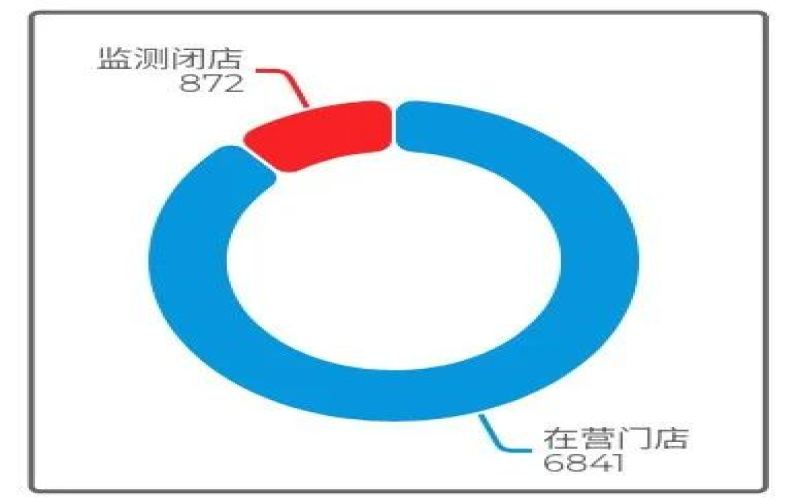
Cotti plans to open 50,000 convenience stores in three years, escalating the outlet battle with Luckin
Cotti Coffee recently announced an ambitious expansion plan: adding 8,000 convenience stores in the second half of the year, reaching a scale of 50,000 stores within three years, and striving to achieve a layout where "Cotti is within a hundred meters." However, as of the end of July, its actual operating stores were fewer than 7,000, still some distance from the goal. Meanwhile, Luckin has launched a counterattack with a scale of over 20,000 stores, curbing Cotti's growth through dense store placements. The two sides have shifted from a 9.9 yuan price war to a battle for locations. How will this competition between two brands from the same roots evolve? This article sorts out the store rivalry, strategic adjustments, and industry impact of the two major brands. [more…]
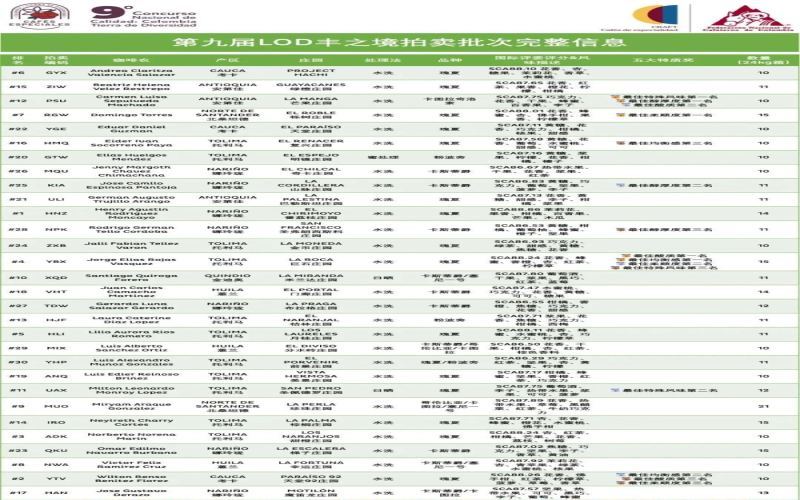
Colombia Land of Diversity (LOD) Competition: Highlights of the Ninth Edition, Unique Format, and 2025 Outlook
The Colombia Land of Diversity (LOD) competition is a national-level coffee quality competition in the country, ranking alongside COE and BOP. The ninth edition brought together 1,018 growers from 13 producing regions; after two rounds of screening, 30 coffees made it to the finals, and the top lot at auction was a washed Geisha from Nariño, fetching as much as $66.50 per pound. This article walks you through the origins of LOD, its competition format, how it differs from COE, and a preview of the tenth edition in 2025, along with recommendations from Front Street Coffee. [more…]
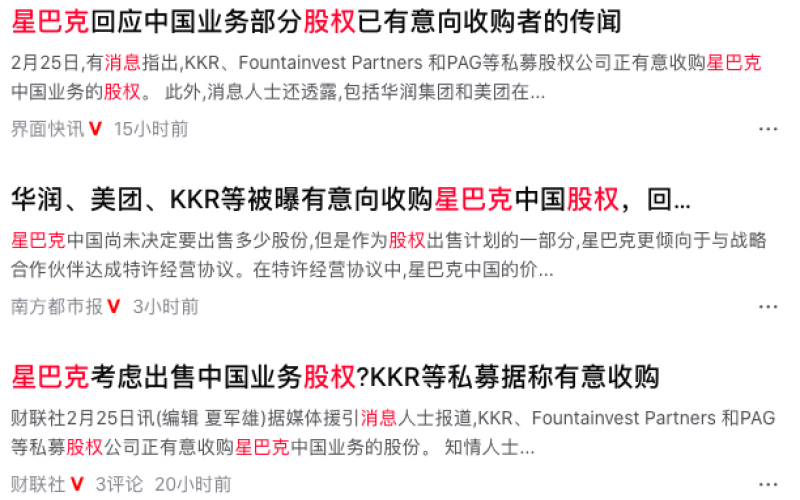
Starbucks China equity may be in for a shake-up: multiple private equity firms and domestic giants are vying for a stake, while the company responds cautiously.
Recently, multiple media outlets have reported that Starbucks' China business may bring in strategic investors or sell part of its equity, with well-known private equity firms such as KKR, FountainVest, and PAG, as well as domestic companies like China Resources Group and Meituan, all rumored to be potential buyers. According to people familiar with the matter, Starbucks Executive Vice President and Chief Financial Officer Rachel Ruggeri is expected to come to China within the next few weeks to participate in negotiations. In response to this news, a Starbucks global spokesperson declined to confirm, only citing the CEO's previous statement about exploring strategic partnerships. At the same time, Starbucks China has recently experienced frequent management changes, including the newly created position of Chief Growth Officer and the retirement of Chairman Wang Jingying, drawing particular attention to its future direction. This article sorts out the sequence of events, responses from various parties, and industry background for coffee enthusiasts' reference. [more…]
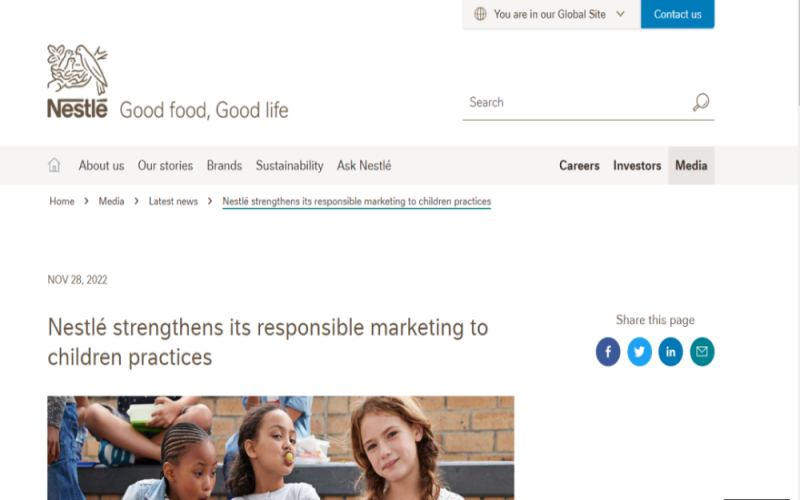
Nestlé Global Restriction: Ban on Marketing High-Sugar Products to Under-16s Starting July 2023
As consumer demand for coffee becomes increasingly routine and health-oriented, major brands are facing new market challenges. Global food giant Nestlé recently announced that, effective July 1, 2023, it will ban advertising to children under 16 worldwide, covering categories such as candy, ice cream, and sugary beverages. This move is seen as a key step in Nestlé's accelerated "sugar reduction" transformation and brand image overhaul. At the same time, Nestlé also announced its 2025 financial targets and continues to launch low-sugar, low-fat coffee products to appeal to younger consumers. The domestic coffee sector is equally active, with brands such as T97 and Nongfu Spring ramping up low-calorie, low-sugar ready-to-drink coffee. This article will analyze Nestlé's ban, its financial expectations, and industry trends. [more…]